
Why Choose Us?
1
Quality products: We have advanced production and testing equipment, and our products meet various standards.
2
Wide range of products: Our main products are Chassis parts, Suspension Parts, Engine parts, Electrical Parts, Body parts, such as brake pads, Spark Plugs, Bearings, Bushings, Power Steering Rack, Ball Joint, shock absorber, clutch cover&disc, vane pump, camshaft pulley, belt, tensioner pulley, ignition coil, fuel injector, auto sensor, power window switch, headlight, air cleaner and so on.
3
Reliable service: Our team is committed to providing reliable and consistent service, ensuring that you receive high-quality products and customer support from us every time.
4
Professional team: The company is in possession of numbers of senior engineers and has abundant technique power, well conditioned equipment and technology comes to perfection.
-

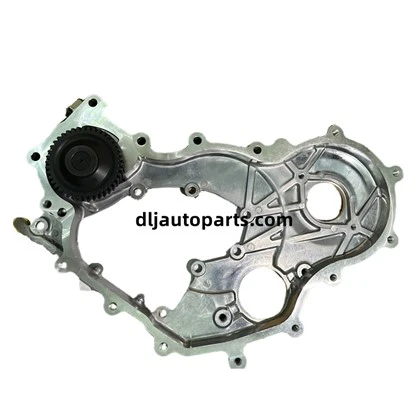
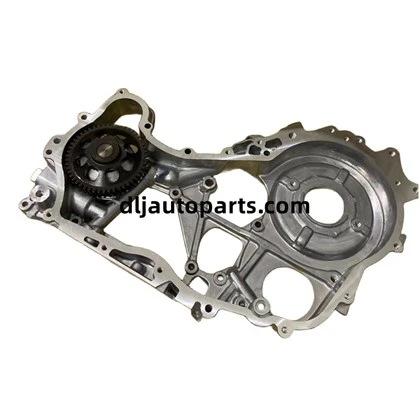
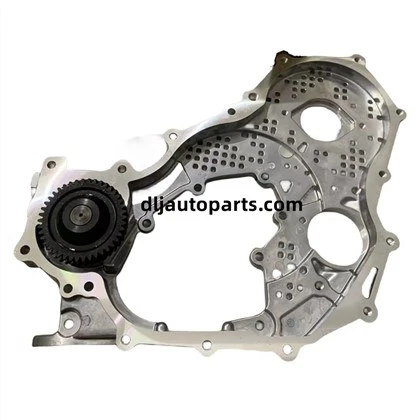
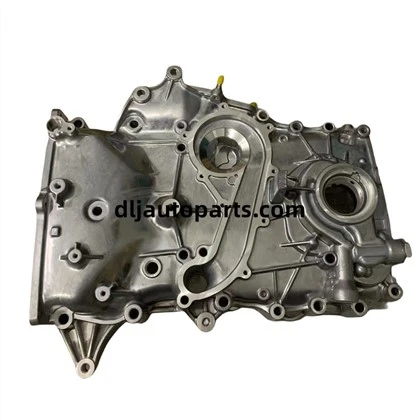
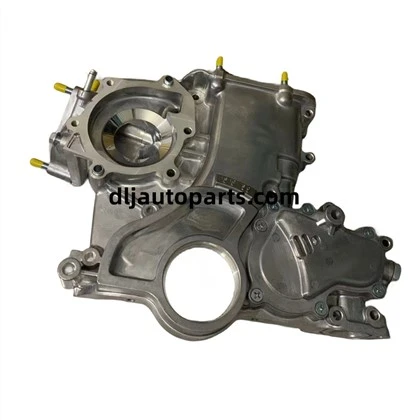
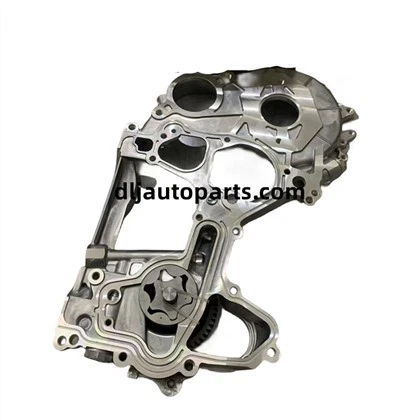
11301-17020 For Toyota Land Cruiser 1HZ Oil Pump
Product Name: oil pump. OEM No.: 11301-17020. Fitment Type: oil pump. For TOYOTA LAND CRUISER/CRUISER/1HZ/1HD Add to Inquiry -
Oil Pump 11320-67010 For TOYOTA HILUX 4RUNNER 1KZ
Product Name: oil pump. OEM No.: 11320-67010. Fitment Type: oil pump. For TOYOTA TOYOTA LAND CRUISER/HILUX/4RUNNER/PRADO/1KZ Add to Inquiry -
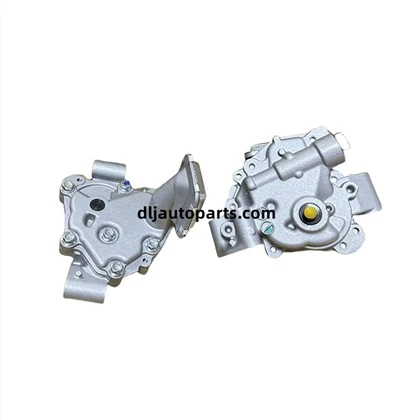
Oil Pump 15100-28030 For Toyota RAV4 WISH 1AZ
Product Name: oil pump. OEM No.: 15100-28030. Fitment Type: oil pump. For TOYOTA WISH/AVENSIS/RAV4/1AZ Add to Inquiry -
Oil Pump 11310-0C010 For Toyota Innova Hilux GGN15 1TR
Product Name: oil pump. OEM No.: 11310-0C010. Fitment Type: oil pump. For TOYOTA INNOVA// HILUX/1TR Add to Inquiry -
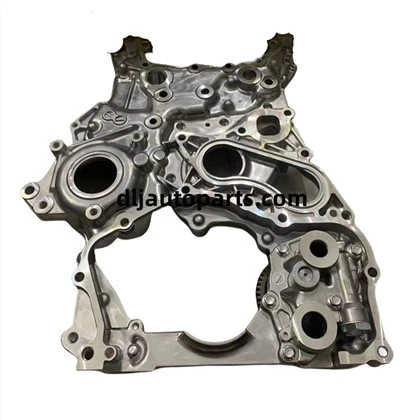
Timing Gear Cover 11310-0E010 For Toyota Fortuner 1GD 2GD
Product Name: oil pump. OEM No.: 11310-0E010. Fitment Type: oil pump. For TOYOTA INNOVA/FORTUNER/ HILUX/HIACE/2GD/1GD Add to Inquiry -
Oil Pump 11301-17030 For Land Cruiser FJ80 1HZ
Product Name: oil pump. OEM No.: 11301-17030. Fitment Type: oil pump. For TOYOTA LAND CRUISER/CRUISER/1HZ Add to Inquiry -
Oil Pump 11310-0C020 For TOYOTA HIACE HIUX 2TR
Product Name: oil pump. OEM No.: 11310-0C020. Fitment Type: oil pump. For TOYOTA INNOVA/FORTUNER/ HILUX/HIACE/2TR Add to Inquiry -
Oil Pump 11310-66020 For Lexus Lx450 Land Cruiser 1FZ
Product Name: oil pump. OEM No.: 11310-66020. Fitment Type: oil pump. For TOYOTA LAND CRUISER/LEXUS LX450/1FZ Add to Inquiry -
Oil Pump 11320-30060 For Toyota Hilux Innova 2KD
Product Name: oil pump. OEM No.: 11320-30060. Fitment Type: oil pump. For TOYOTA INNOVA/FORTUNER/ HILUX/HIACE/2KD Add to Inquiry -
Oil Pump 15100-22041 For Corolla 1ZZ 3ZZ
Product Name: oil pump. OEM No.: 15100-22041. Fitment Type: oil pump. For TOYOTA COROLLA/CELICA/AURIS/VISTA/ WISH/1ZZ Add to Inquiry -
Oil Pump 15100-74050 For Toyota Corona Camry Rav4 3S
Product Name: oil pump. OEM No.: 15100-74050. Fitment Type: oil pump. For TOYOTA CARINA /CAMRY/RAV4/ CORONA/3S Add to Inquiry -
Oil Pump 11311-54052 For Crown Fortuner 2L 5L
Product Name: oil pump. OEM No.: 11311-54052. Fitment Type: oil pump. For TOYOTA CROWN/HILUX/FORTUNER/ HIACE/ LAND CRUISER/2L/5L Add to Inquiry

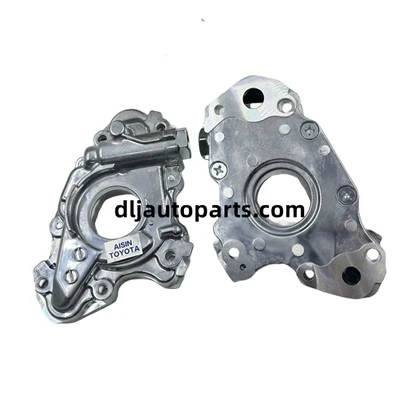
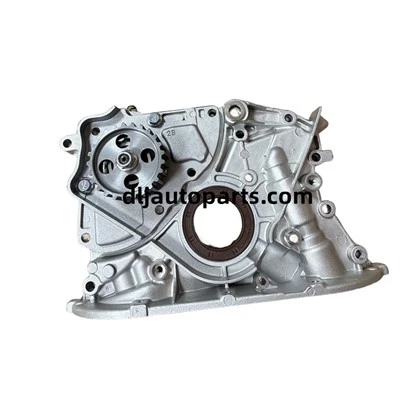
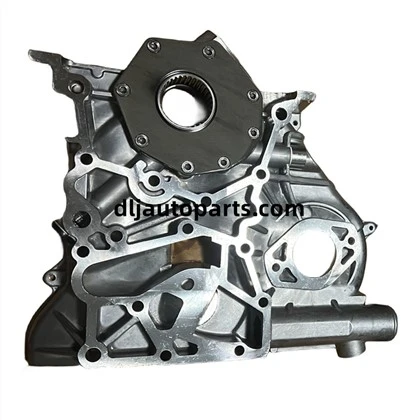
What Is Oil Pump?
An oil pump is a crucial component in an internal combustion engine that is responsible for circulating oil throughout the engine to lubricate moving parts and reduce friction. It is typically driven by the engine's crankshaft via a gear or chain. The primary function of the oil pump is to maintain proper oil pressure within the engine to ensure that all components are adequately lubricated.
What Is the Function of an Oil Pump?
An oil pump is a crucial component in an internal combustion engine that is responsible for circulating oil throughout the engine to lubricate moving parts and reduce friction. The main function of an oil pump is to maintain proper oil pressure within the engine to ensure that all components are adequately lubricated.
When the engine is running, the oil pump draws oil from the oil pan and sends it through a series of passages to reach various parts of the engine, such as the bearings, camshaft, crankshaft, and other moving parts. This pressurized oil forms a thin film between metal surfaces, preventing direct contact and reducing wear and heat generation.
In addition to lubrication, the oil pump also plays a role in cooling the engine by carrying away heat from friction and combustion processes. It also helps to clean the engine by carrying away contaminants and debris to the oil filter for removal.
The function of an oil pump is essential for maintaining the longevity and performance of an internal combustion engine by ensuring proper lubrication, cooling, and cleaning of engine components.
Advantages of Oil Pump
Lubrication
One of the primary functions of an oil pump is to circulate oil throughout the engine to lubricate moving parts. This reduces friction and wear between components, helping to prevent damage and prolonging the life of the engine.
01
Cooling
In addition to lubrication, oil also helps to dissipate heat generated by the engine. The oil pump ensures that oil is continuously circulated to absorb and carry away excess heat, helping to maintain optimal operating temperatures.
02
Protection
By providing a constant supply of clean oil to the engine, the oil pump helps to protect against contaminants and debris that can cause damage. It also helps to maintain proper oil pressure, which is essential for optimal engine performance.
03
Efficiency
A well-functioning oil pump ensures that all parts of the engine receive adequate lubrication and cooling, improving overall efficiency. This can result in better fuel economy, reduced emissions, and smoother operation.
04
Longevity
Regular maintenance of the oil pump, including changing the oil at recommended intervals, can help extend the life of the engine. Proper lubrication and cooling provided by the pump contribute to overall engine health and longevity.
05
What Is the Primary Function of Oil Pump?
The primary function of oil pump is to lubricate the internal engine components by pumping oil through the engine's lubrication system. The oil pump generates pressure to force oil through the engine, lubricating moving parts and helping to keep them cool and free from wear and tear. It is typically driven by the engine's crankshaft and is located within the engine block.
The oil pump is crucial to the operation of the engine, as it ensures that the oil is circulated throughout the engine, lubricating all the necessary parts. Without an oil pump, the engine would quickly overheat and sustain damage due to friction and wear.
In addition to lubricating the engine, the oil pump also helps to clean the engine by circulating oil through the oil filter, which removes contaminants and debris. This keeps the engine clean and running smoothly.
The car oil pump is an essential component of the engine's lubrication system, responsible for maintaining the efficiency and lifespan of the engine by ensuring proper lubrication and cleaning.
What Materials Are Typically Used to Manufacture Oil Pumps?
01/
Aluminum alloys: Aluminum is widely used due to its excellent strength-to-weight ratio, corrosion resistance, and ability to withstand high temperatures. Aluminum alloys are commonly used for the body of the oil pump, providing a lightweight yet strong housing that contributes to overall engine efficiency.
02/
Cast iron: In some applications, especially in older or high-performance engines, cast iron may be used for its exceptional durability and wear resistance. Cast iron oil pumps are robust but heavier than their aluminum counterparts.
03/
Steel: High-strength steel is often used for the internal components of an oil pump, such as gears or rotors. Steel provides the necessary toughness and wear resistance for these critical parts that are subject to constant motion and high stress.
04/
Sintered metals: Sintered metals are produced through a powder metallurgy process that involves heating powdered metal below its melting point until its particles bond together. This material can be found in some oil pump gears or rotors due to its good wear resistance and ability to be formed into precise shapes.
05/
Plastics and composites: In modern engines, certain non-critical parts of an oil pump or auxiliary components may be made from high-grade plastics or composite materials. These materials can offer reductions in weight and cost while still providing adequate performance for specific applications.
06/
Rubber and elastomers: Seals and gaskets within an oil pump are typically made from rubber or elastomeric materials. These materials are chosen for their flexibility, which allows them to create tight seals at various temperatures and pressures, preventing oil leaks.
Features of Oil Pump
Lubrication
The primary function of an oil pump is to lubricate the engine by pumping oil through the various parts of the engine to reduce friction and wear.
Cooling
The oil pump also aids in cooling the engine parts by absorbing the heat generated during the combustion process.
Pressure regulation
The oil pump helps to regulate the oil pressure by pumping oil through the engine at a steady pressure to ensure the engine runs smoothly.
Filter
Many oil pumps come with built-in filters that remove impurities from the oil before it is circulated through the engine.
Temperature control
Some oil pumps come with a thermostatic control valve that regulates the temperature of the oil to ensure optimal engine performance.
Variable displacement pump
Some modern car oil pumps feature a variable displacement pump, which adjusts the amount of oil it pumps depending on the engine’s demand.
Compatibility
Oil pumps are designed to be compatible with different types of engine oils, ensuring that the engine is lubricated with the appropriate type of oil.
Durability
Quality oil pumps are built to last, with materials that are resistant to corrosion and wear-and-tear.
Can Oil Pump Lose Its Prime?
Yes, oil pump can lose its prime, which means it can lose the ability to generate the necessary pressure to pump oil throughout the engine's lubrication system. This can happen for several reasons, including:
● Oil leaks: If there are leaks in the lubrication system, such as cracks in the oil lines or gaskets, oil can leak out before it reaches the oil pump, reducing the amount of oil available for pumping.
● Clogged oil filter: If the oil filter becomes clogged with debris and contaminants, it can restrict the flow of oil to the oil pump, causing it to lose prime.
● Wear and tear: Over time, the internal components of the oil pump can wear out, reducing its ability to generate pressure and pump oil effectively.
● Incorrect oil viscosity: If the wrong type of oil is used or the oil is too thick or too thin, it can affect the oil pump's ability to pump oil properly.
If the oil pump loses its prime, it will not be able to generate enough pressure to circulate oil throughout the engine, leading to lubrication issues and potential engine damage. If you suspect that your car's oil pump has lost its prime, it's important to have it checked by a professional mechanic as soon as possible to avoid further damage to the engine.
Working Principle of Oil Pump


The oil pump in a car plays a crucial role in ensuring proper lubrication of the engine components. Its main function is to circulate engine oil throughout the engine to reduce friction and heat, thereby extending the life of the engine. The working principle of a oil pump can be explained as follows:
Location: The oil pump is typically located at the bottom of the engine, inside the oil pan or sump. It is usually driven by the crankshaft or camshaft through a series of gears or a chain.
Suction: The oil pump has an inlet or suction side that draws oil from the oil pan. When the engine is running, the rotating motion of the pump creates a low-pressure area at the inlet, causing oil to be drawn into the pump.
Pressure: Once inside the pump, the oil is then pressurized by gears or lobes within the pump housing. This pressurized oil is then forced out through an outlet or pressure side of the pump.
Distribution: The pressurized oil is then distributed through channels or passages in the engine block and cylinder head to various components that require lubrication, such as bearings, pistons, camshafts, and valvetrain.
Cooling: In addition to lubrication, engine oil also helps in cooling various components by absorbing heat generated during operation. The continuous circulation of oil by the pump helps in dissipating this heat effectively.
Filtration: Some oil pumps also have built-in filters to remove contaminants and debris from the oil before it reaches critical engine components. This helps in maintaining clean and efficient lubrication.
Maintenance: It is essential to regularly check and maintain the oil pump to ensure its proper functioning. This includes checking for any leaks, inspecting for wear on gears or lobes, and replacing worn-out parts as needed.
How to Choose Oil Pump?
Compatibility: Ensure that the oil pump you choose is compatible with your vehicle's make, model, and engine type. Different engines may require specific types of oil pumps to function optimally.
Quality: Opt for a high-quality oil pump from a reputable manufacturer. A well-made oil pump will be more reliable and durable, providing better lubrication for your engine.
Oil viscosity: Consider the viscosity of the oil that the pump is designed to handle. The viscosity of the oil affects its flow rate and lubricating properties, so it's essential to match the pump with the right type of oil for your engine.
Pressure rating: Check the pressure rating of the oil pump to ensure that it can deliver sufficient oil pressure to all parts of the engine. Adequate oil pressure is essential for proper lubrication and cooling.
Flow rate: Consider the flow rate of the oil pump, which determines how much oil it can circulate through the engine per unit of time. A higher flow rate may be necessary for high-performance engines or vehicles operating under extreme conditions.
Ease of installation: Choose an oil pump that is easy to install and compatible with your vehicle's existing components. This will help ensure a smooth installation process and minimize downtime.
Warranty: Look for an oil pump that comes with a warranty or guarantee from the manufacturer. This can provide you with peace of mind knowing that you are covered in case of any defects or issues with the pump.
How to Maintain Oil Pump?
Maintaining oil pump is crucial to ensuring the engine's lubrication system functions properly. Here are some tips for maintaining your car's oil pump
Regular oil changes
The most important aspect of maintaining the oil pump is keeping the oil clean and free of debris. Regular oil changes (as recommended by your car's manufacturer) help remove contaminants and debris that can clog the oil pump and reduce its efficiency.
Use the correct oil
It's important to use the correct type of oil recommended by your car's manufacturer. Using the wrong type of oil or incorrect viscosity can affect the oil pump's performance and lead to lubrication issues.
Check oil levels
Regularly checking the oil level in your car's engine is essential. If the oil level is too low, it can cause the oil pump to run dry and sustain damage. Make sure to add oil when necessary to keep the level within the recommended range.
Inspect oil lines and gaskets
Leaks in the oil system can cause pressure loss and affect the oil pump's performance. Regularly inspect the oil lines and gaskets for any cracks or leaks, and replace them if necessary.
Replace oil filter
The oil filter plays a crucial role in keeping the oil clean and free of debris. Replace the oil filter during each oil change to ensure optimal protection for your oil pump and engine.
How Can You Troubleshoot Problems with an Oil Pump in a Vehicle?
Troubleshooting problems with an oil pump in a vehicle is crucial to ensure the proper functioning of the engine and prevent potential damage. Here are some steps you can take to diagnose and address issues with an oil pump:
Check oil level
The first step is to check the oil level in the vehicle. Low oil levels can lead to poor lubrication and cause the oil pump to work harder than usual.
Inspect oil quality
Check the quality of the oil in the engine. Dirty or contaminated oil can clog the oil pump and prevent it from functioning correctly.
Listen for unusual noises
Start the engine and listen for any unusual noises coming from the oil pump area. Whining or ticking sounds could indicate a problem with the pump.
Check oil pressure
Use an oil pressure gauge to measure the oil pressure in the system. Low oil pressure can be a sign of a failing oil pump.
Inspect for leaks
Look for any signs of oil leaks around the oil pump or in other parts of the engine. Leaks can lead to a drop in oil pressure and cause damage to the pump.
Inspect oil pump screen
Remove and inspect the oil pump screen for any debris or blockages that could be affecting its performance.
Test oil pump operation
If possible, test the operation of the oil pump by connecting it to an external power source. This can help determine if the pump is working properly.
Consult a mechanic
If you are unable to identify or fix the problem with the oil pump, it is recommended to consult a professional mechanic for further diagnosis and repair.

Our Factory
Guangzhou Delijia Auto Parts Co., Ltd located in Guangzhou, China.
Our main products are Chassis parts, Suspension Parts, Engine parts, Electrical Parts, Body parts, such as brake pads, Spark Plugs, Bearings, Bushings, Power Steering Rack, Ball Joint, shock absorber, clutch cover&disc, vane pump, camshaft pulley, belt, tensioner pulley, ignition coil, fuel injector, auto sensor, power window switch, headlight, air cleaner and so on.
FAQ
Q: What makes an oil pump work?
A: The pump has two gears - one inner gear, which is driven and one outer gear which rotates around the inner gear. The inner gear has one less tooth than the outer gear, leaving a space into which expands and sucks oil in to fill it.
Q: How long do oil pumps last?
A: If you're thinking it's weird that you haven't replaced the oil pump yet on your 10-year-old daily driver, don't worry; oil pumps typically last 150,000+ miles or the life of the vehicle, but only if you keep up with the required maintenance.
Q: How many oil pumps does a car have?
A: Engines fitted with dry sumps will have two oil pumps. One standard oil pump to pressurize and distribute oil around the engine and a secondary oil pump or scavenge pump. The scavenge pump is generally located inside the sump and has a higher flow rate than the primary oil pump.
Q: How common is oil pump failure?
A: It is unlikely that most drivers will ever experience an oil pump failure, but if you experience any of these symptoms, you may need to have your vehicle checked.
Q: Why do oil pumps fail?
A: Engine sludge, which is usually a combination of dirt, contamination and old engine oil is highly damaging to a car's mechanical parts, restricting normal oil flow and causing friction and heat build-up, both of which can lead to oil pump failure.
Q: How do oil pumps go bad?
A: Generally, oil pumps go bad because of little particles that haven't been caught by the filter, (this is why the filter is near the pump). The pump is a delicate and very important piece of an engine because it distributes the lubrication throughout the engine to minimize the damaging effect of friction.
Q: Can an oil pump suddenly fail?
A: If unmonitored, oil pumps can fail and result in the drying out of machine parts that need lubrication. With proper inspection and monitoring, you can spot early signs of a bad oil pump and prevent the resulting damage to your machines.
Q: What is a bad oil pump?
A: So, a bad oil pump will either produce low or no oil pressure. It reduces/restricts the flow of clean oil to lubricate, cool & clean the internal parts.
Q: Can a oil pump get weak?
A: Without sufficient oil pressure, the oil won't be able to travel through the lubricating system and into the machine parts to lubricate them. Low oil pressure resulting from a bad oil pump will cause the moving parts of your vehicle's engine to rub roughly against each other.
Q: What runs the oil pump?
A: Oil pumps are usually either inside the oil pan and driven by a camshaft or outside the pan and driven by a crankshaft.
Q: Does oil pump need a gasket?
A: A gasket between the oil pump housing and the engine case prevents oil from leaking from the engine. Oil pump housing and gasket maintenance: Over time, heat and thermal expansion can cause gaskets to fail, which will lead to an oil leak. Oil leaks may cause visible oil stains under the vehicle.
Q: What does a oil pump cost?
A: The average cost of an oil pump replacement can range from $400 to $800, but this can vary depending on several factors, such as the make and model of the vehicle, the type of oil pump, the labor costs, and the location and availability of replacement parts.
Q: Can you repair an oil pump?
A: If you have a broken oil pump, bring it to us. Our experts will go down to the wire to understand the problems and will fix them efficiently. From fixing common faults present in a chain to balance shaft repairs, we provide comprehensive oil pump repair services.
Q: Can a bad oil pump cause ticking noise?
A: This is the most severe and potentially costly cause of a ticking engine. a bad oil pump, worn engine or low oil level can cause this or other engine noises.
Q: Where is a oil pump located?
A: It is generally located inside the lower part of the engine, usually below and/or to one side of the crankshaft.
Q: Do oil pumps leak?
A: You might also observe that the engine oil level is low, and there may be oil leaks around the engine, on the timing cover, and the intake manifold. A puddle of oil under the car is another sign of oil pump O-ring failure.
Q: How long does it take for an oil pump to build pressure?
A: In any engine oil pressure should be present with in 2 to 3 seconds after the starter is engaged. Even after an oil change the oil pump should fill the empty filter and have galley pressure in 8 to 10 seconds.
Q: Do oil pumps make pressure?
A: It's located either inside the oil pan, where it's driven by the camshaft, or outside the pan with the crankshaft driving it. Oil is pulled from the pan and through a filter that removes debris before it enters the pump. Then, the pump pressurizes the fluid to move throughout the engine's passageways.
Q: How many oil pumps does a car have?
A: On dry sump engines, at least two oil pumps are required: one to pressurize and distribute the oil around the engine components, and at least one other 'scavenge pump' to evacuate the oil which has pooled at the bottom of the engine.
Q: What does oil pump do in a car?
A: A car's oil pump is needed to make sure the engine oil reaches all moving parts that require lubrication during an engine's operation. Most modern engines have a wet sump (a reservoir of oil beneath the crank shaft), which is where the oil pump is installed.
We're well-known as one of the leading oil pump suppliers in China. Please feel free to wholesale high-grade oil pump in stock here from our factory. All customized products are with high quality and competitive price.
Fuel Filter 23300 31170, brake shoe 04495 0K120, car bushing